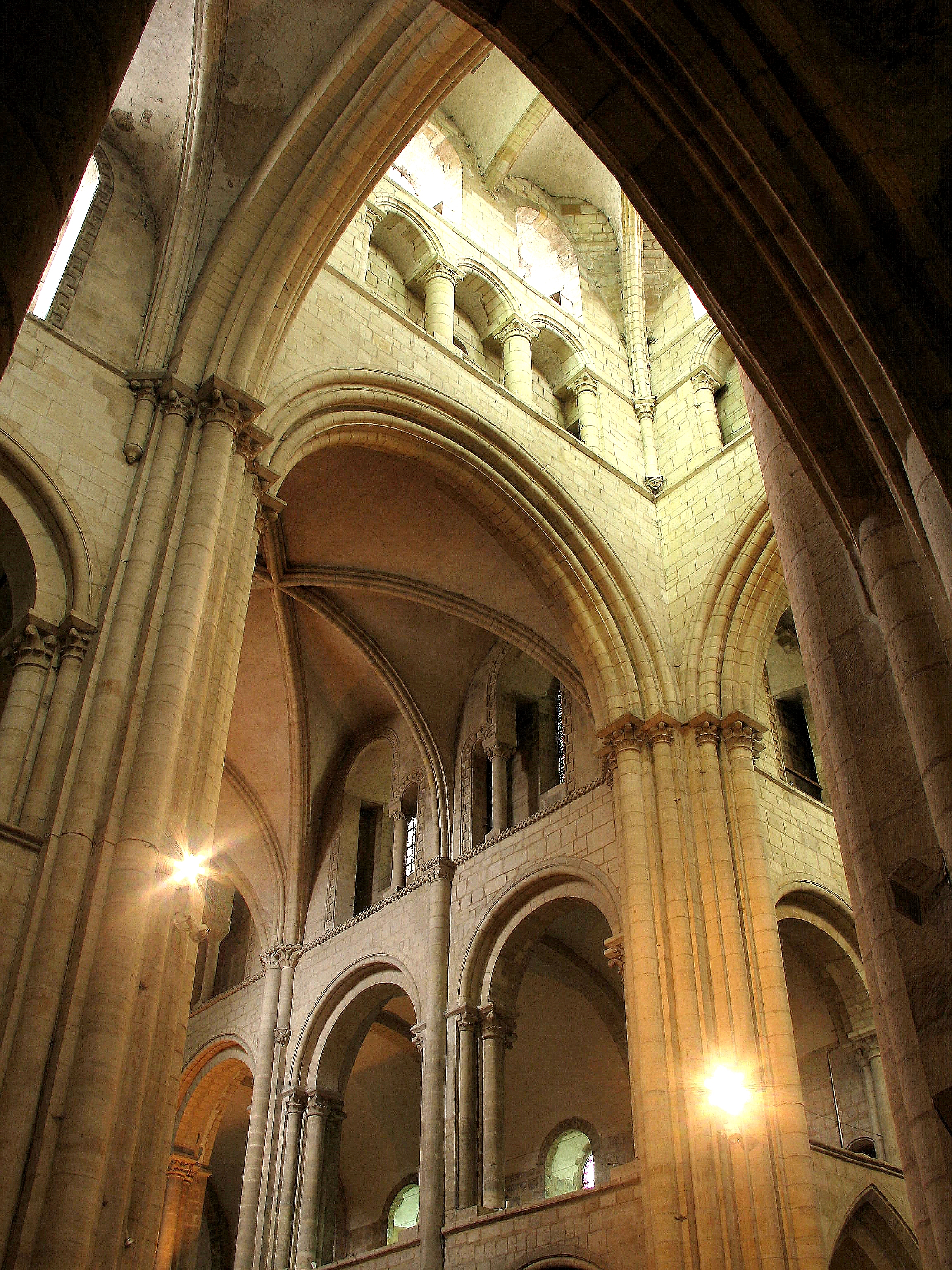
Impression of Dick Sanderman:
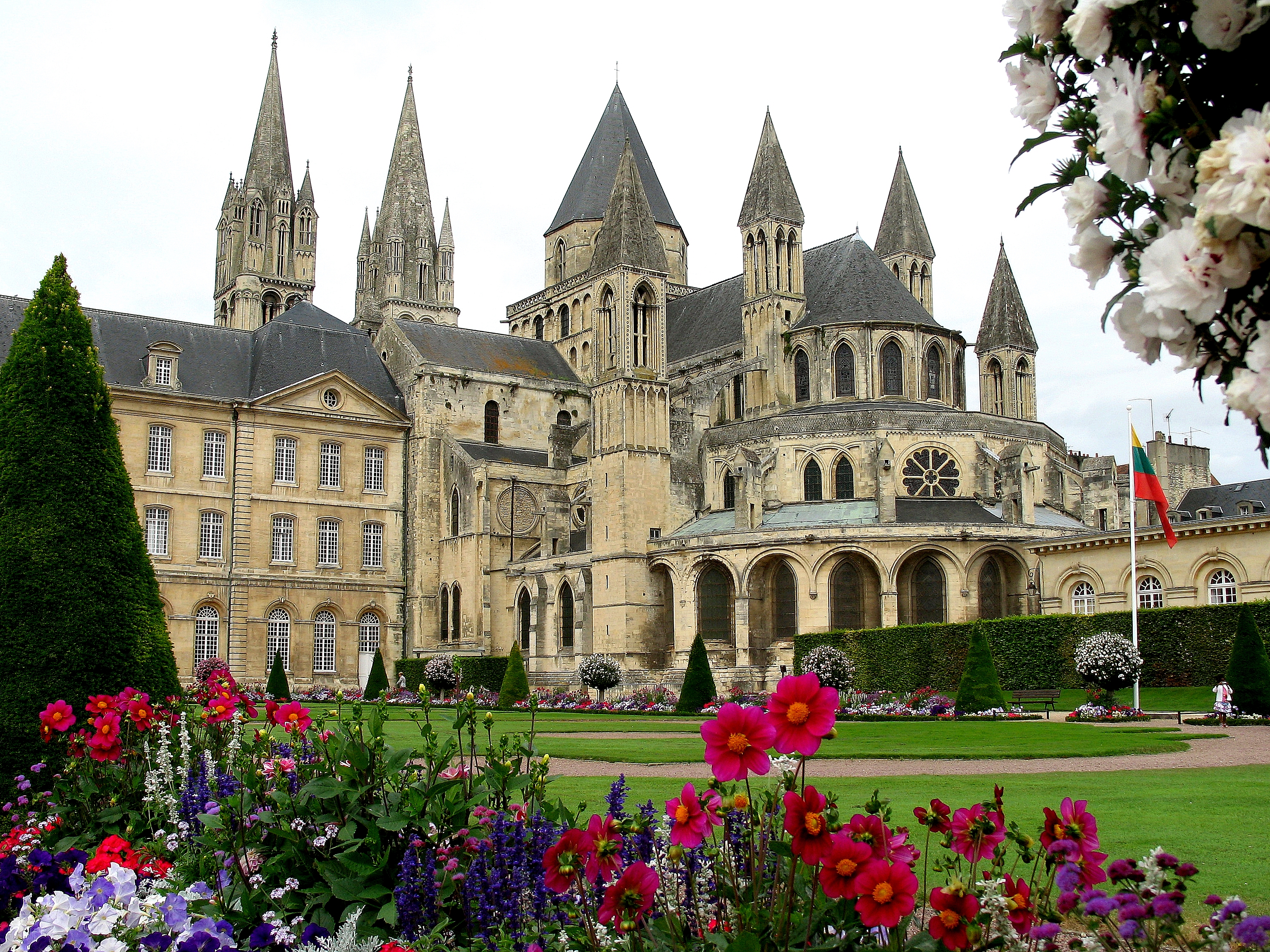
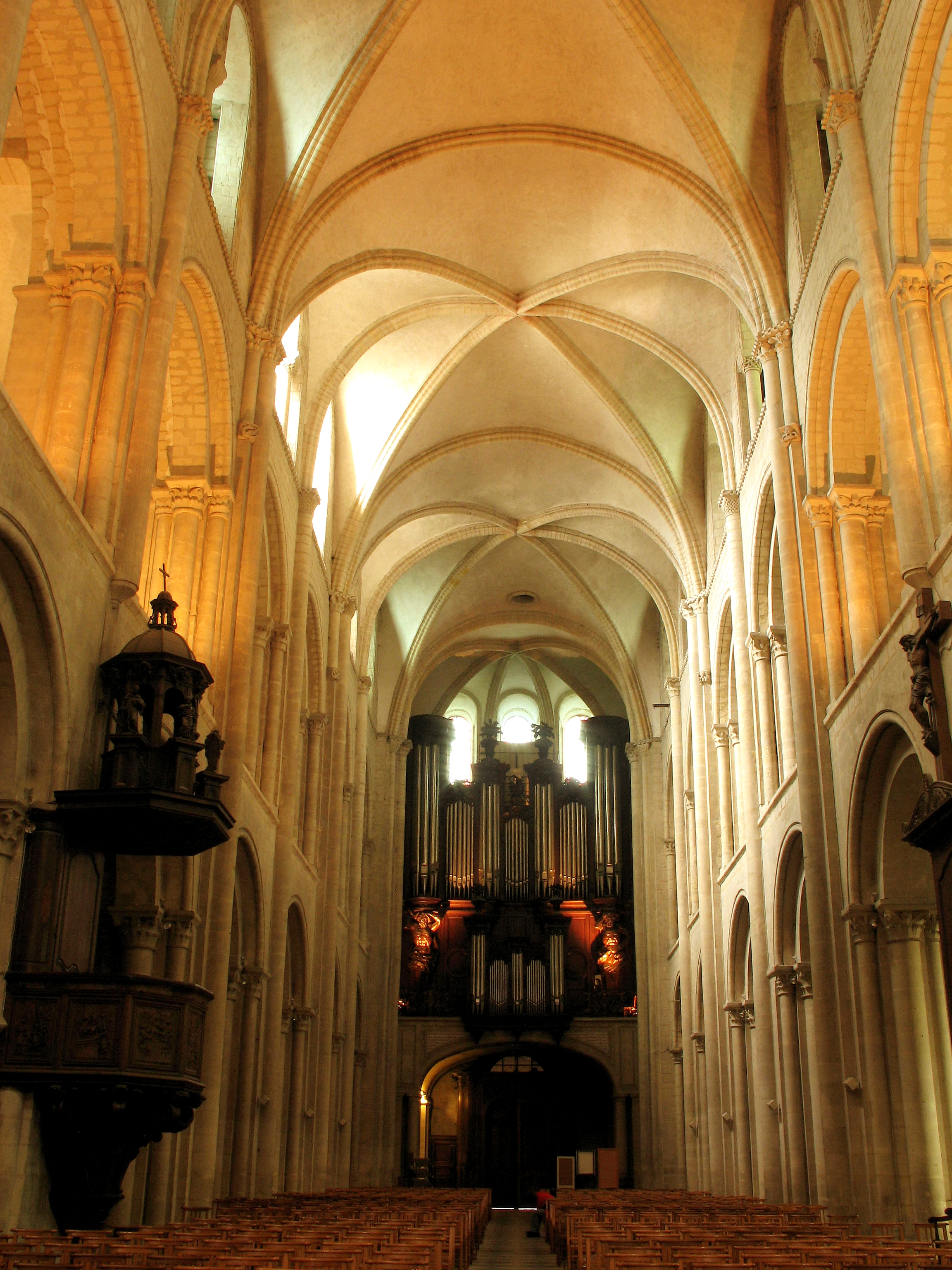
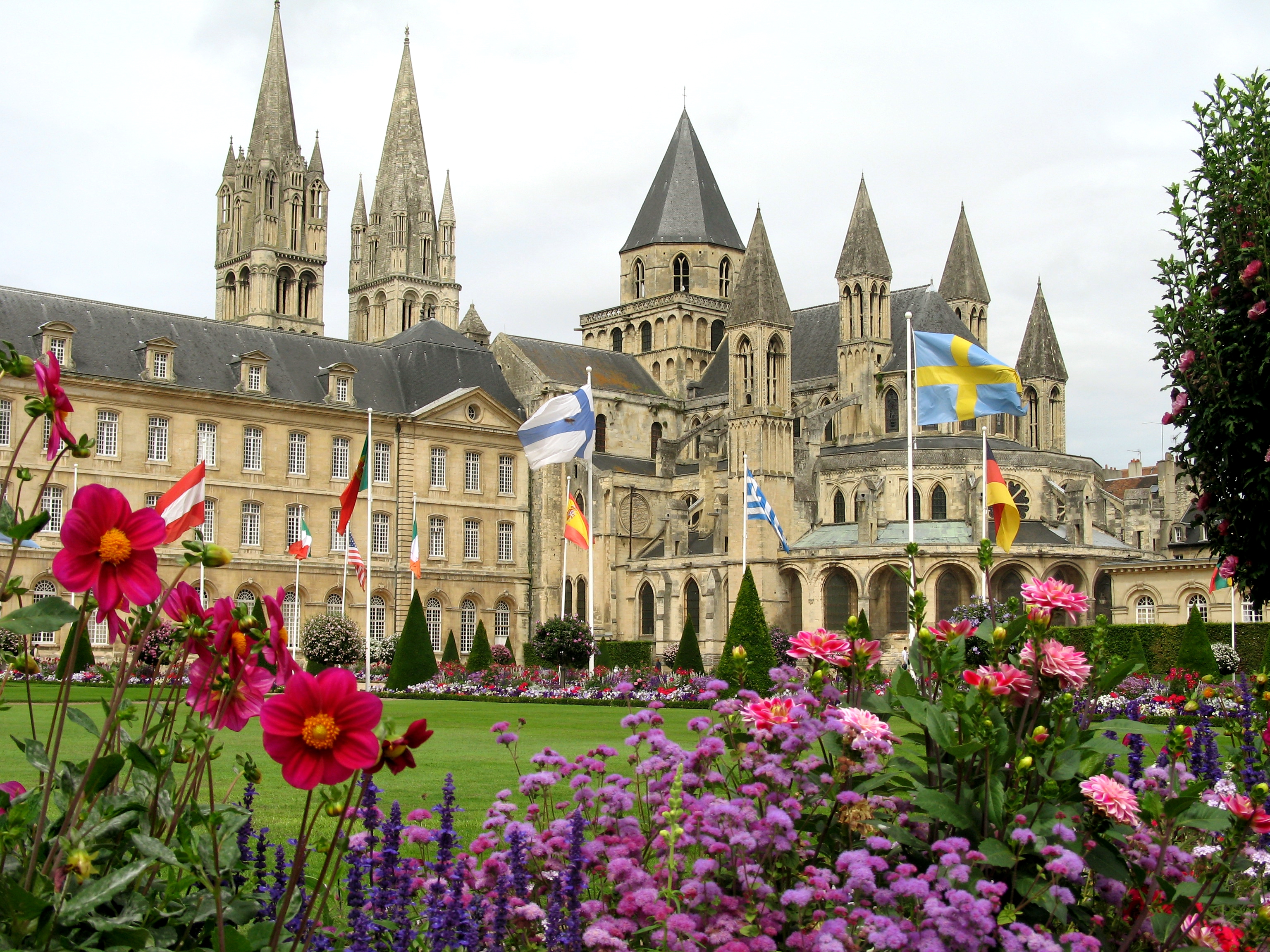
Enkele jaren geleden brachten wij onze vakantie door in Normandie en kon ik ook een dagje op kerkenpad in Caen.
De stad heeft veel te lijden gehad van oorlogsgeweld: in 1944 lag driekwart van de binnenstad in puin.
Dichtbij de Abbaye-aux-hommes, de abdij waarvan de kerk is gewijd aan St. Etienne, bevindt zich nog de ruine van de kerk van St. Etienne-le-Vieux,
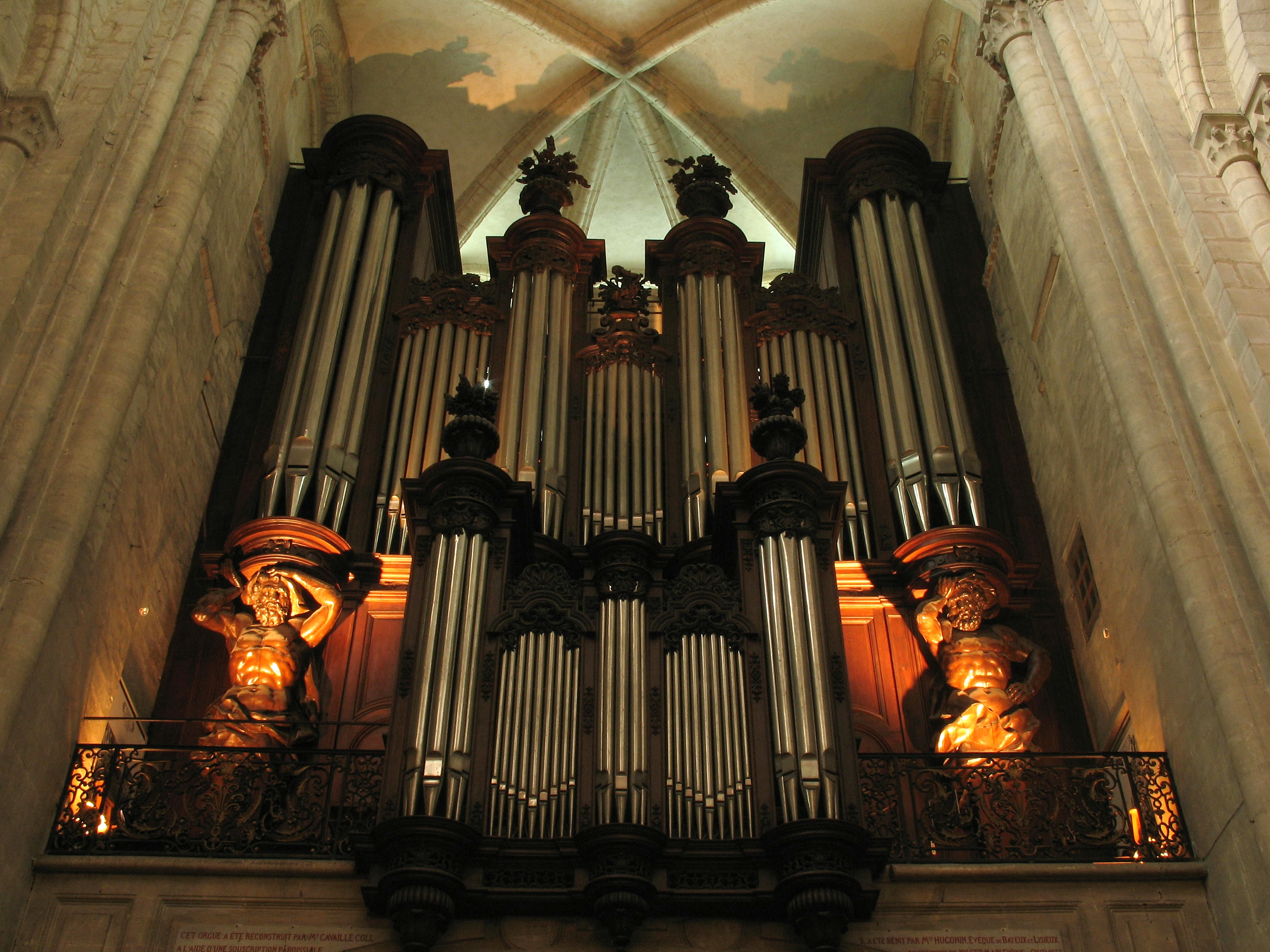
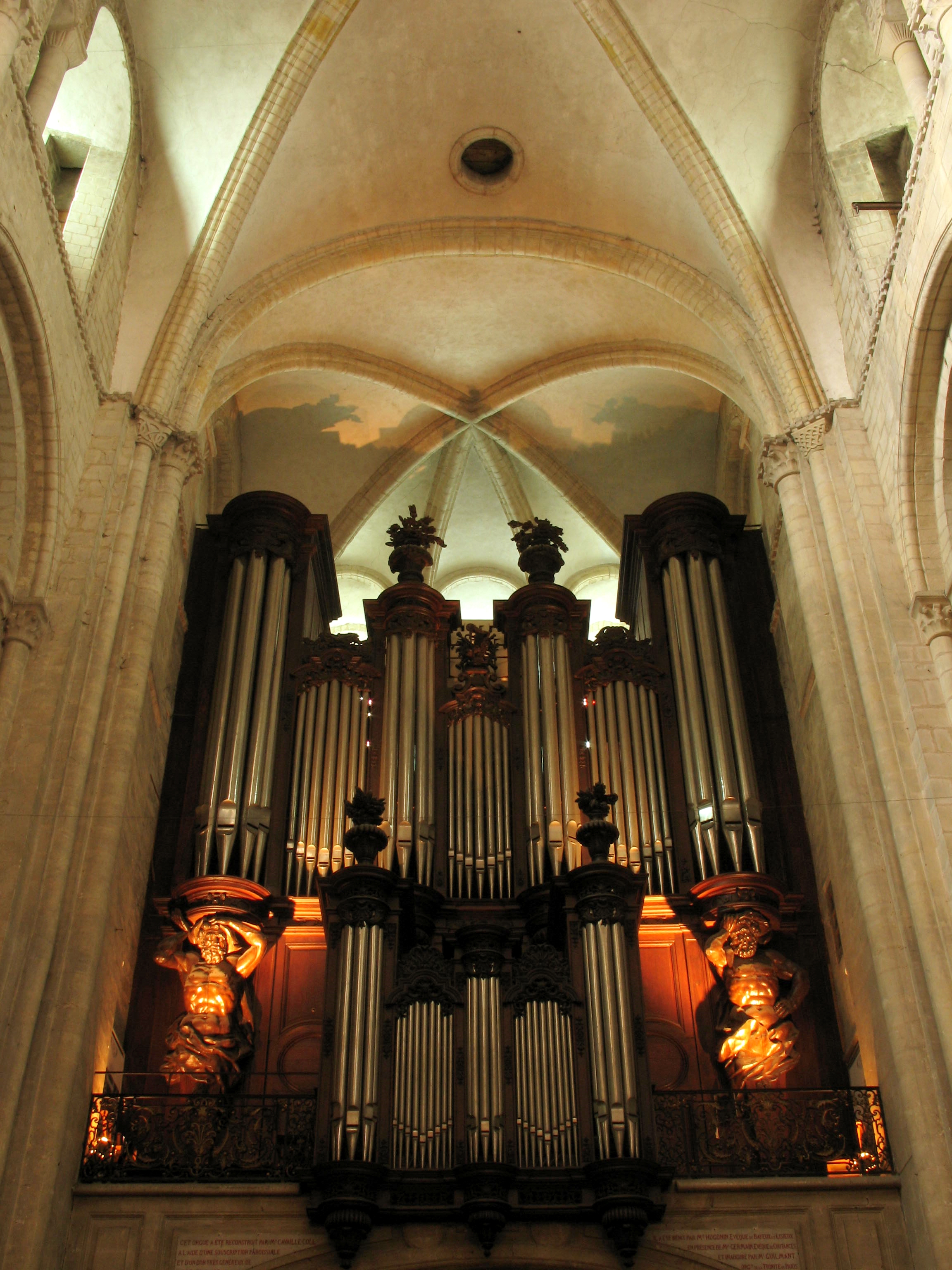
een schril contrast met het rijke abdijcomplex waarin zich ook dat fantastische Cavaille-Coll-orgel bevindt.
De aanduiding "Organ of the St. Etienne Abbey in Caen" op de website van Sonus Paradisi is in feite dus niet geheel juist:
de abdij zelf wordt Abbaye-des-Hommes genoemd, maar de bijbehorende kerk is inderdaad gewijd aan St. Etienne, wij zouden zeggen:
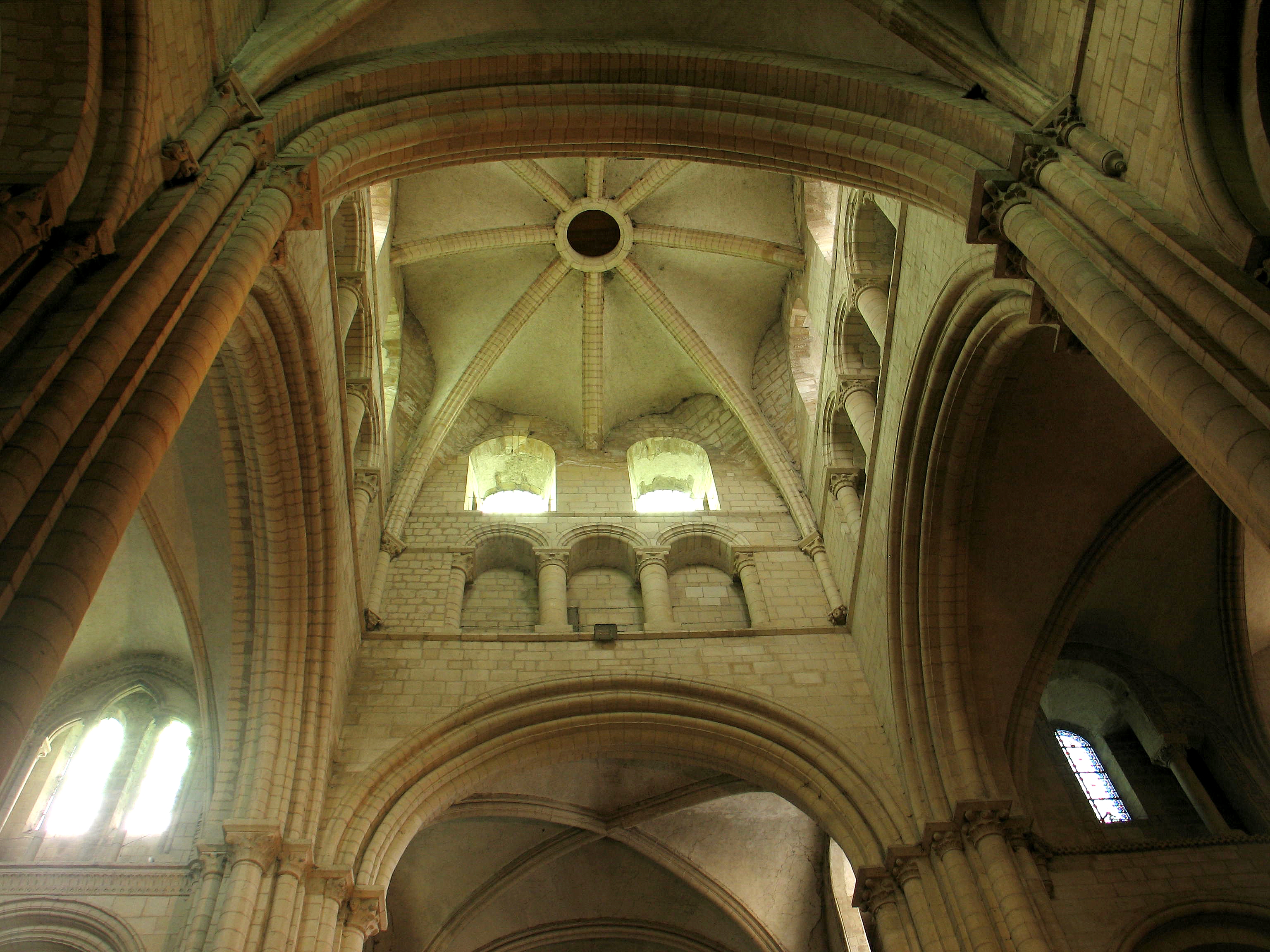
St. Stefanus. Hoe dan ook: toen ik daar rondliep en foto's maakte van het kerkinterieur kon ik niet vermoeden dat de klanken van datzelfde Cavaille-Coll-orgel een paar jaar later virtueel in mijn studeerkamer zouden klinken.
Foto's Dick Sanderman
images/slideshow/caen01.jpg
Foto's Dick Sanderman
images/slideshow/caen02.jpg
Foto's Dick Sanderman
images/slideshow/caen07.jpg
Foto's Dick Sanderman
images/slideshow/caen09.jpg
Foto's Dick Sanderman
images/slideshow/caen13.jpg
Foto's Dick Sanderman
images/slideshow/caen10.jpg
Foto's Dick Sanderman
images/slideshow/caen11.jpg
Foto's Dick Sanderman
images/slideshow/caen12.jpg
Foto's Dick Sanderman
images/slideshow/caen03.jpg
Foto's Dick Sanderman
images/slideshow/caen05.jpg
Foto's Dick Sanderman
images/slideshow/caen06.jpg
Foto's Dick Sanderman
images/slideshow/caen08.jpg
In de bestaande orgelkast uit 1745 bouwde Aristide Cavaille-Coll in de jaren 1883/85 een nieuw orgel,
dat op 3 maart 1885 in gebruik werd genomen met een concert door Alexandre Guilmant.
Bij het ontwerpen van de dispositie was Guilmant ook al betrokken geweest, samen met de organist van deze kerk, Jules Marie.
Na de ingebruikneming kwam er kritiek op het orgel: het zou te zacht en te onbestemd klinken.
Cavaille-Coll was hoogst verbaasd en stuurde de bekende orgeldeskundige Philbert (dezelfde die ook betrokken was bij de totstandkoming van het Cavaille-Coll-orgel dat nu in de Haarlemse Philharmonie staat) eropaf.
Uit zijn onderzoek bleek dat de akoestische situatie in de kerk dramatisch verandert als de kerk vol zit.
Het vorige orgel was een klassiek instrument met veel hoge vulstemmen en een fel karakter:
bij een vol bezette kerk bleef die klank stevig en geprofileerd.
Het symfonische Cavaille Coll-orgel heeft uiteraard een romantisch klankkarakter en dat was men in Caen nog niet gewend.
Goed, de kritiek verstomde snel, en tegenwoordig zijn ze in Caen maar wat trots op hun Cavaille-Coll!
Bij de zware bombardementen in 1944 bleef de abdij wonder boven wonder gespaard. Het orgel is ook zeer goed geconserveerd.
Een kleine dispositiewijziging (toevoeging van een Plein Jeu IV op het Recit, op aanraden van Marcel Dupre) is in 1999 weer ongedaan gemaakt.
Tegenwoordig verkeert het orgel weer in originele staat.
Wie niet vertrouwd is met het Frans-romantische orgeltype, zal wel even thuis moeten raken in de werking van deze instrumenten.
De orgels hebben dubbele ventielkasten, waardoor een scheiding in de registers ontstaat.
De grondstemmen (jeux de fonds) hebben hun eigen plek, gescheiden van de tongwerken, de hogere grondstemmen en de vulstemmen.
Deze laatste registers (anches of jeux de combinaison) worden pas actief als niet alleen het desbetreffende register is getrokken,
maar ook een trede (appel anches) wordt ingehaakt. Je kunt de sterke stemmen dan snel in- en uitschakelen via die trede.
In Frans-romantische orgelmuziek kom je soms de aanwijzing tegen: Anches peparees.
Dan zijn de tongwerken al wel getrokken, maar is de trede Appel anches nog niet ingeschakeld.
Verderop kan dan de aanwijzing Anches staan, ten teken dat nu de trede moet worden ingehaakt,
zodat de tongwerken ook daadwerkelijk gaan klinken. Een aanwijzing otez anches geeft aan dat de tongwerken weg moeten:
dat kan dus heel snel via de trede Appel anches.
Koppels en Appels zijn bij Cavaille-Coll altijd uitgevoerd als trede, nooit als register.
Soms is er een afzonderlijke invoeringstrede voor de grondstemmen van het hoofdwerk, ook hier in Caen.
Men gebruikt deze voorziening om een crescendo op te bouwen: je speelt voortdurend op manuaal I,
maar in eerste instantie klinken daar alleen het gekoppelde Recit en Positif, zwelkast(en) dicht,
tongwerken nog niet ingeschakeld. Nadat het crescendo is ingezet door het toevoegen van de tongwerken van het Recit en het openen van de zwelkast(en),
worden vervolgens ook de grondstemmen het hoofdwerk geactiveerd via de trede Appel G.O.
De laatste grote klap komt dan via de tongwerken van het Grand Orgue en Pedale.
Een paar bijzonderheden:
Zachtere tongwerken staan vaak niet op de lade met Jeux de combinaison en worden dus ook niet ingeschakeld via de Appel Anches.
In Caen geldt dit voor de Basson-Hautbois, de Clarinette en de Voix Humaine van het Recit.
De Basson-Hautbois ligt qua karakter en sterkte vaak in het verlengde van de strijkers en wordt al heel snel toegevoegd aan een grondstemmencombinatie.
De Voix Humaine wordt bij voorkeur gebruikt in combinatie met de tremolo.
Met de zwelkast dicht suggereert men dan een 'Choeur des anges', een engelenkoor.
Jammer dat de tremulant in deze sampleset nog geen realistische OST-tremulant (Original Sampled Tremulant) is.
De Flute harmonique van het hoofdwerk is een solofluit en behoort niet tot de grondstemmen waarmee je een plenum opbouwt.
In Caen klinkt de Cromorne van het Positif nog heel klassiek: het karakter is feller en meer snaterend dan dat van de overige tongwerken,
die eerder orkestraal klinken.
In tegenstelling tot het barokke orgel, waar verdubbelingen van registers met dezelfde voetmaat beter vermeden kan worden,
is het op het symfonische orgel juist gebruikelijk om een klankopbouw te realiseren door het toevoegen van registers van dezelfde toonhoogte.
De zwevende registers horen in die opbouw niet thuis: zij vertroebelen de klank.
Zwevende stemmen (in Caen: Voix Celeste en Unda Maris) zijn voor serene momenten, niet voor grotere registercombinaties.
Ik heb geprobeerd een programma samen te stellen dat verschillende mogelijkheden laat horen en in hoofdzaak bestaat uit muziek die echt bij dit orgeltype hoort.
Als instrument en repertoire een eenheid vormen, levert dat de meest overtuigende resultaten op.
Boely was veel klassieker georienteerd dan de meeste van zijn tijdgenoten.
Zijn muziek biedt dan ook mogelijkheden om het orgel te laten horen met meer achttiende-eeuwse klankcombinaties.
Lefebure-Wely vraagt om typisch romantische registercombinaties.
De combinatie van Voix Humaine met tremolo bij gesloten zwelkast is te horen in het Choeur de Voix Humaine, waarbij de Flute harmonique als tegenspeler fungeert.
Muziek van Langlais, Dupre en Francaix laat horen hoe fraai dit orgeltype kan klinken in een wat moderner idioom.
De warme klank van het orgel en de weldadige akoestiek zorgen ervoor dat onze oren ook de dissonanten prima verdragen.
Andriessen was zeer Frans-georienteerd: zijn muziek gedijt dan ook uitstekend op dit orgel.
Een adventskoraal van Bach illustreert hoe je barokmuziek enigszins vertaalt naar de klanken van een romantisch orgel.
En een Amerikaanse bewerking van het 'Stille nacht' is een extraatje voor deze decembermaand.
De Fransen werken vanouds veel met min of meer gestandaardiseerde registratiepatronen.
Daardoor was het bijvoorbeeld ook mogelijk om het registratiesysteem voor de Franse drukwindharmoniums te vereenvoudigen tot het vermelden van nummertjes,
die door alle harmoniumbouwers uniform werden gehanteerd: nummer 1 was de gewone achtvoet, nummer 2 de zestienvoet,
nummer 3 de viervoet en nummer 4 de solistische achtvoet.
Een nadeel van die benadering is, dat bij het spelen van literatuur bepaalde registers heel vaak aan bod komen en andere zelden of nooit.
Het is daarom een uitdaging om een set als Caen ook eens improviserenderwijs te verkennen:
dan ontdek je nog weer allerlei verrassende klankkleuren die je bij literatuurspel niet zo gauw in het vizier zou krijgen.
Wie op zoek is naar een sampleset die ook grote Frans-romantische werken aankan en die een mooie balans biedt tussen ruimtelijkheid en verstaanbaarheid, doet met Caen een goede aankoop!
A lot other examples from this book can you listen at: Marco den Toom.
Impression of Gert: Aristide Cavaille-Coll is considered by many to be the greatest organ builder of the 19th century because he combined both science and art to make his instruments. He built up over 600 (including home) organs!
The organ of the St. Etienne Abbey in Caen has 3 manuals and 50 stops.
In the sampleset there are 5 stops artificially added (derived from other stops): twice Nasard, Tierce, Plein Jeu and Contrebombarde32.
The disposition offers enormous possibilities:
All three manuals have reeds.
There are many solo stops (e.g. twice a Cornet, a lot of reeds, but you can also use a Nasard or Tierce for that), the shrill Cromorne is very beautiful. For solo, you can complete the Trumpet8 with a Prestant4, Cornet, but also with another trumpet.
On each manual are warm strings (combine with e.g. UndaMaris8, CorDeNuit8 or VoixCeleste8 gives sultry sound).
There are beautiful full Principals in all lengths (16, 8, 4, 2).
On each manual are warm flutes.
Each manual has one or two 16 stops to create a 'heavy sound'.
You can with this organ in all directions: a heavy 'French sound' with 16 foot stops, but also play a clear duo with only a Bourdon8 and Doublette2.
The '32 foot lovers' can enjoy, there are two on the pedal: a Bourdon and Contrebombarde.
Sonus Paradisi made samples on two distances: close to the organ and at greater distance.
The Surround version of this sampleset contains both samples types, the standard version contains only the direct samples.
The direct (close) samples have the disadvantage that the 'cathedral feeling' (large reverberation) for a large part is lost, the big advantage is that the whole sound is very detailed.
The samples also contain almost no noise
CD recording of an organ are often done in the same way (nearby and far), the direct sound and the indirect sounds are then mixed in the studio.
I suspect that other sampleset manufacturers, in this way make their samples (mixing near / far recordings).
Sonus Paradisi has chosen to make different samples for both recordings (Surround).
This has several advantages:
You can perform the direct and indirect samples samples through different speakers (Surround).
You can choose for yourself an ideal direct / indirect balance.
As a (big) disadvantage:
This takes twice as much memory and CPU.
With 8GB of RAM you have the following options:
Load all stops with only direct samples (standard Wet) in 16-bit, some in 24-bit.
Load all stops with only indirect samples (Rear from surround version) in 16-bit, some in 24-bit.
Load all stops with 'direct' (Front) and 'indirect' (Rear) in 14-bit.
Load only stops for 2 manuals and pedal with 'direct' (Front) in 16-bit and 'indirect' (Rear) in 14-bit (see below).
You can hear a good difference between G.O., Recit and Positif, the Positif sounds closer (as expected).
The samples are direct, this is excellent for study purposes.
In organs with a lot of reverb your mistakes are fairly hidden.
The Recit has a beautiful Tremulant, also the tremulant engine is good to hear (this is not always the case for other samplesets).
It is too bad that I don't hear the sound of the organ engine.
Personally, I think it is extra realistic if you hear the organ engine (with ambient sounds) in the background.
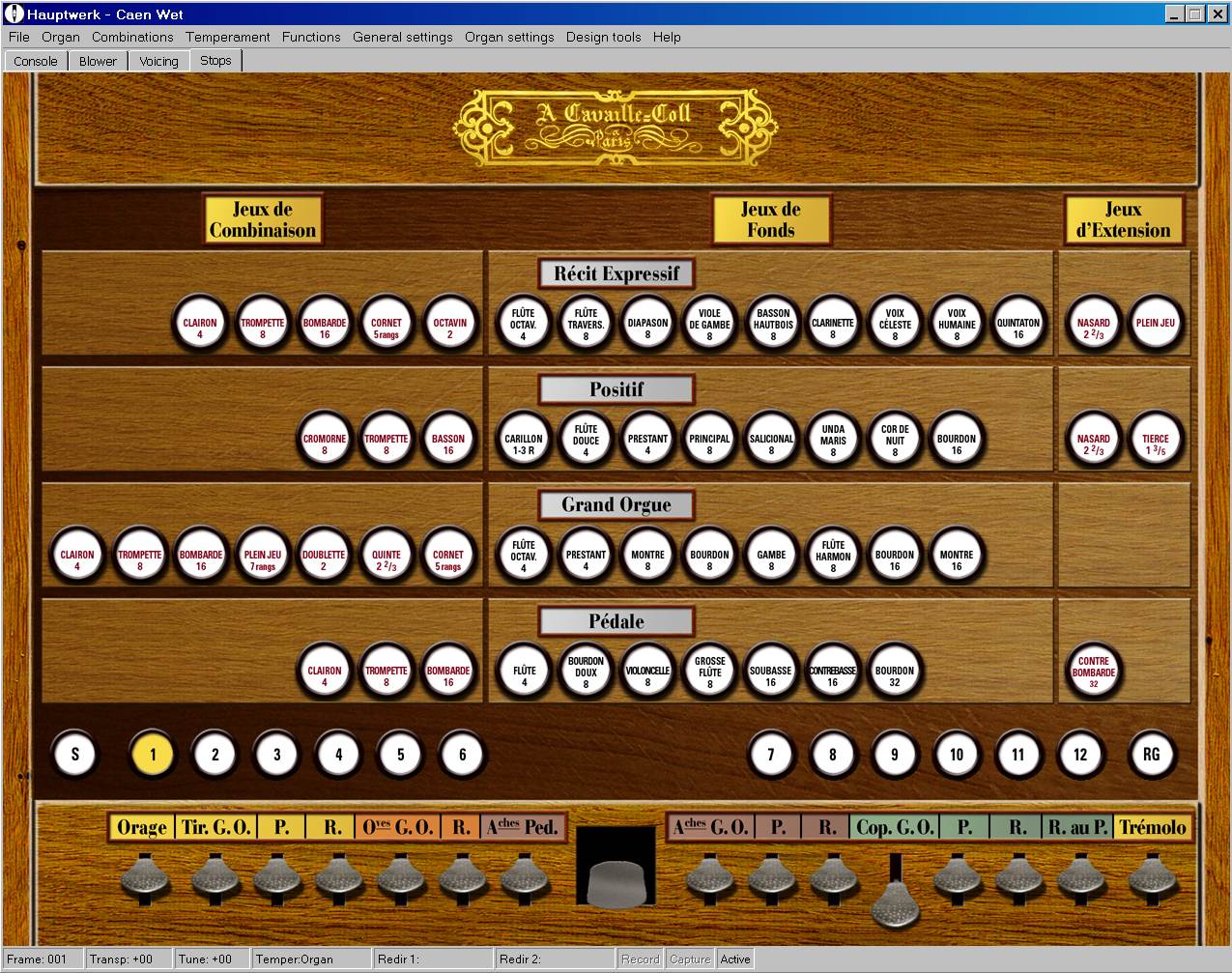
The stops page is easily to read and simple to operate because of the functional division.
The 'foot pistons' (bottom buttons) seem more difficult than they actually are. See explanation below.
I keep repeating it each review: pity that there is no button to switch on/off easily the key-sounds and wind engine.
Later on I saw on the voicing page that it is possible to change the volume of the key-sounds.
This sampleset has also a voicing page to adjust the brightness of each stop (works also for Hauptwerk Basic).
When you put the slider higher, the tone becomes sharper, when you put the slider lower, the tone becomes darker.
I don't use that feature because I want a result that is as much realistic as possible.
You can see the filling of the 'air tanks' on the wind system page (only functional for Hauptwerk Advanced).
The requirements for this sampleset are substantially: Minimal 6 GB for the standard Wet version, and the twice for the Surround version.
Take into account that the Surround version reaches the 'polyphony limit' twice as fast.
But with version 3.30 of Hauptwerk is my processor quite well, even with strong registrations.
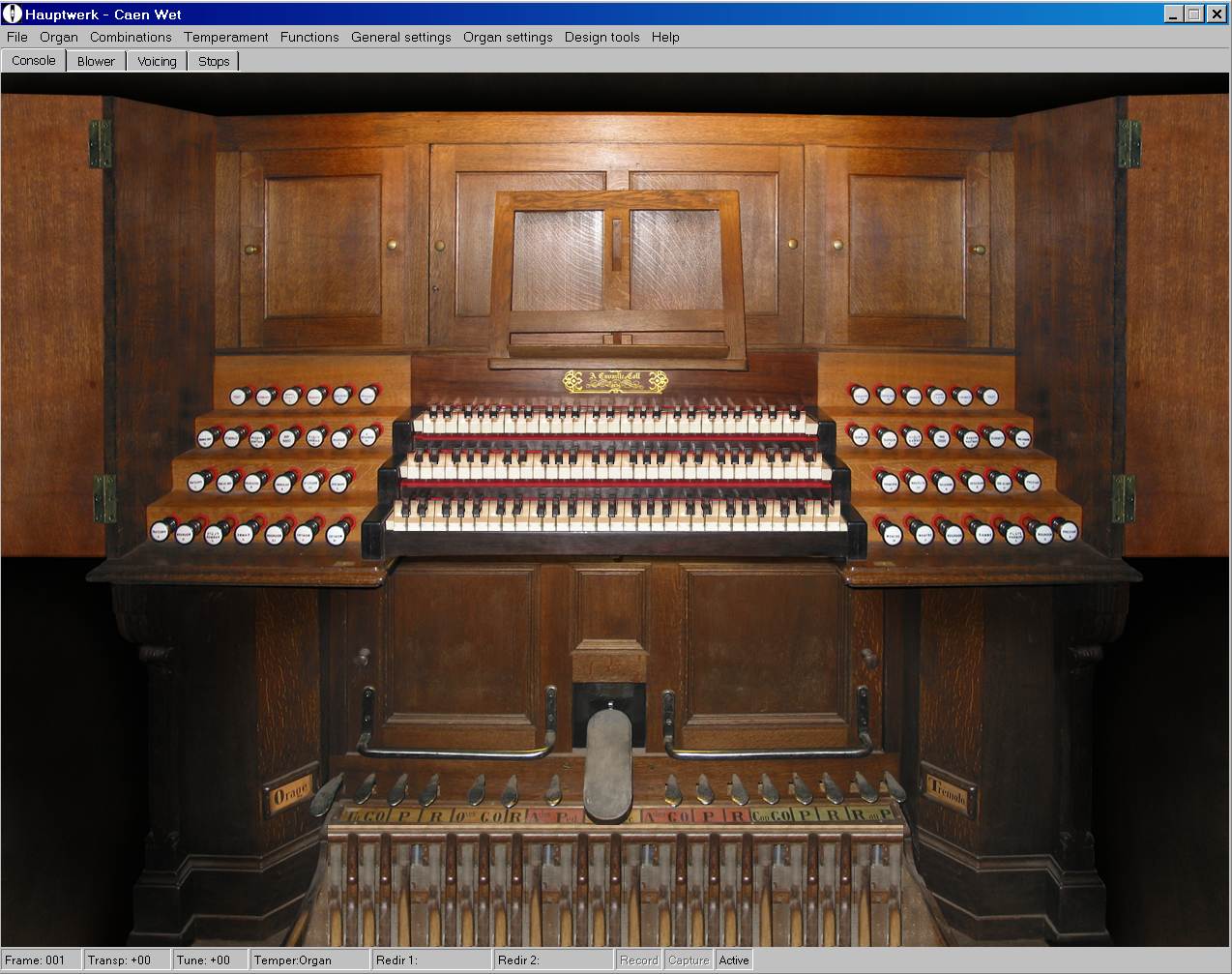
A three-manual-console is not necessarily needed because you can easily couple (via the Couplers) the Recit to Positif or G.O..
When you search for a big French organ, I can recommend this sampleset if you have enough RAM memory, it is a nice organ, it is versatile, suitable for study and technical of good quality.
Take, however, the Surround version, so you can supplement (when you prefer) the small acoustics of the standard version with the reverberation of the Surround version.
With a price of about E 520,- for 55 stops, this is a sampleset in the middle price range. The surround version is recommended.
Gert, april 2009
Surround version in 8 GB RAM I have 8 GB, I loaded the Surround version with:
Key, draw stop and other sounds: 14-bit, first loop, compressed, multiple releases
Rear: 14-bit, first loop, compressed, multiple releases
Front Pedal: 14-bit, first loop, compressed, multiple releases
Front GO, Recit en Positief: 16-bit, first loop, compressed, multiple releases
2 Pedal stops (of 11): Don't load
13 other stops (of 44): Don't load
Explanation 'foot pistons'
Orage
A Thunder or a Drum - draws the lowest semitones in Pedal to sound simultaneously, giving strong storm-like subsonic beating effect.
Tir. G.O.
Coupler G.O.- Ped
P.
Coupler Positif - Ped
R.
Coupler Recit - Ped
Oves G.O.
Octave coupler G.O.
R.
Octave coupler Recit
Aches Ped.
Push when you want to use the Jeux de combinaison of Pedal
Aches G.O.
Push when you want to use the Jeux de combinaison of G.O.
P.
Push when you want to use the Jeux de combinaison of Positif.
R.
Push when you want to use the Jeux de combinaison of Recit.
Cop.G.O.
Should be on when you want to use the G.O. (I don't understand the benefit)
P.
Coupler Positif-G.O.
R.
Coupler Recit-G.O.
R. au P.
Coupler Recit-Positif
Tremolo
Tremulant on Recit
Mp3 examples of me (Wet version) Caution: (On version 1, there is already a version 2)
JW Player goes here
Mp3 examples of me (Surround version): (On version 1, there is already a version 2)